

Resources
Practical cybersecurity guidance
Use these quick references, checklists, and tools to improve everyday security habits across your organization.
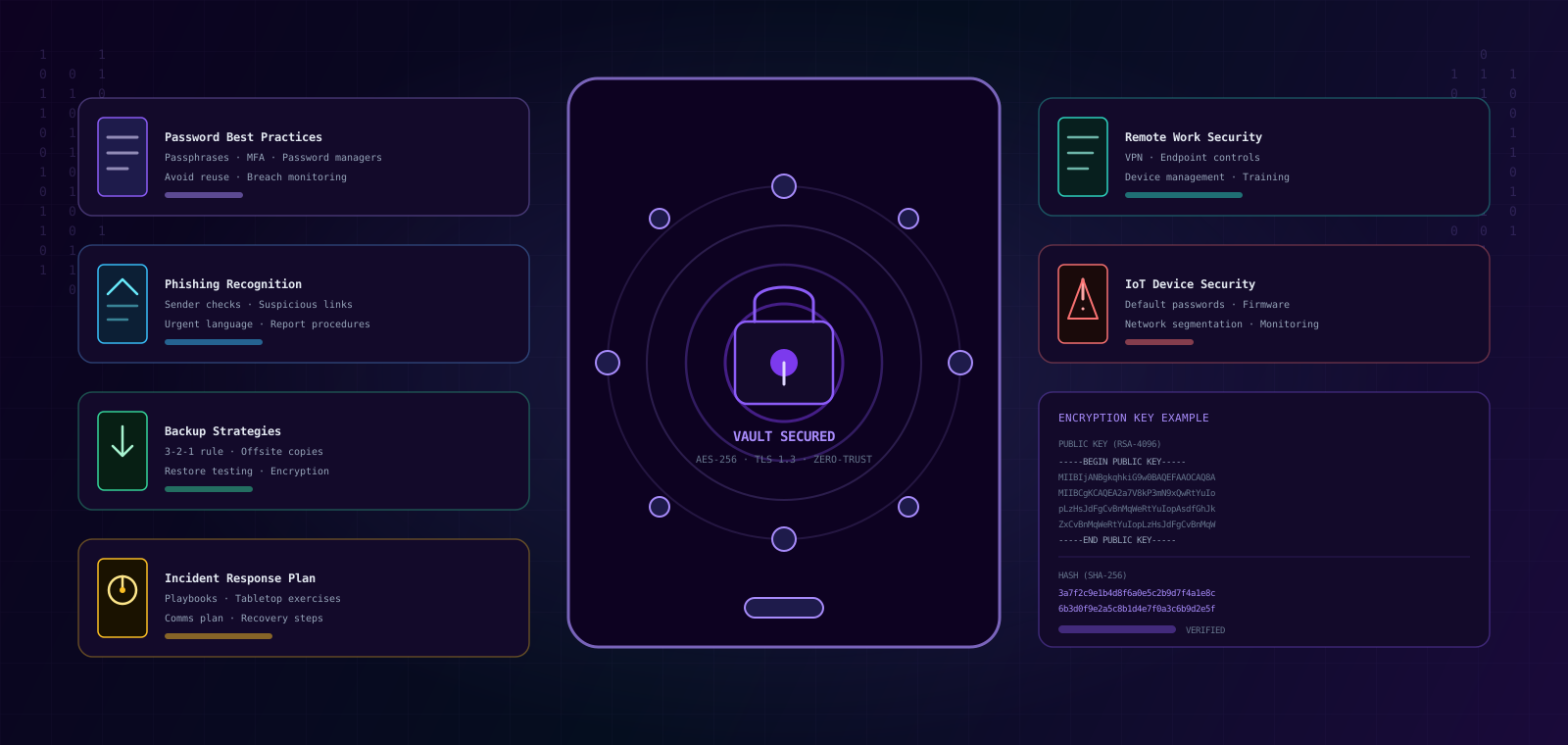
Password Best Practices
Create strong passwords, manage them securely, and add multi-factor authentication wherever possible.
- Use long, unique passphrases
- Enable MFA everywhere
- Use a password manager
- Avoid password reuse
Recognizing Phishing Attacks
Learn to spot suspicious emails, links, attachments, and urgent requests before they cause damage.
- Check sender addresses
- Watch for urgent language
- Verify links before clicking
- Report suspicious emails
Data Backup Strategies
Protect business continuity with tested backups, restoration plans, and offsite storage.
- Follow the 3-2-1 backup rule
- Schedule regular backups
- Test restoration processes
- Keep offsite copies
Remote Work Security
Secure remote teams with VPNs, endpoint controls, and clear device management policies.
- Use corporate VPNs
- Secure home networks
- Train remote employees
- Manage devices centrally
IoT Device Security
Reduce risk from connected devices that can become entry points for attackers.
- Change default passwords
- Keep firmware updated
- Segment IoT networks
- Monitor device activity
Incident Response Planning
Prepare teams, processes, and communications before an incident disrupts the business.
- Define incident categories
- Assign response owners
- Create communication plans
- Run tabletop exercises
Free tools
Checklists and quick tests
Security Assessment Checklist
A starter checklist for reviewing identity, endpoints, backups, policies, and incident readiness.
Download ChecklistPassword Strength Tester
Check password strength locally in your browser. The password is not sent to a server.
Enter a password to check its strength.
Newsletter
Stay updated
Subscribe for cybersecurity tips, risk trends, and operational guidance.